Introduction: The Plateau of Personalization
The streaming platform business model is reaching its breaking point. As royalties rise and loyalty declines, platforms must rethink how they create emotional value. Every major platform now offers vast content libraries, near-perfect recommendation engines, and frictionless interfaces. The race for usability is over and everyone has won.
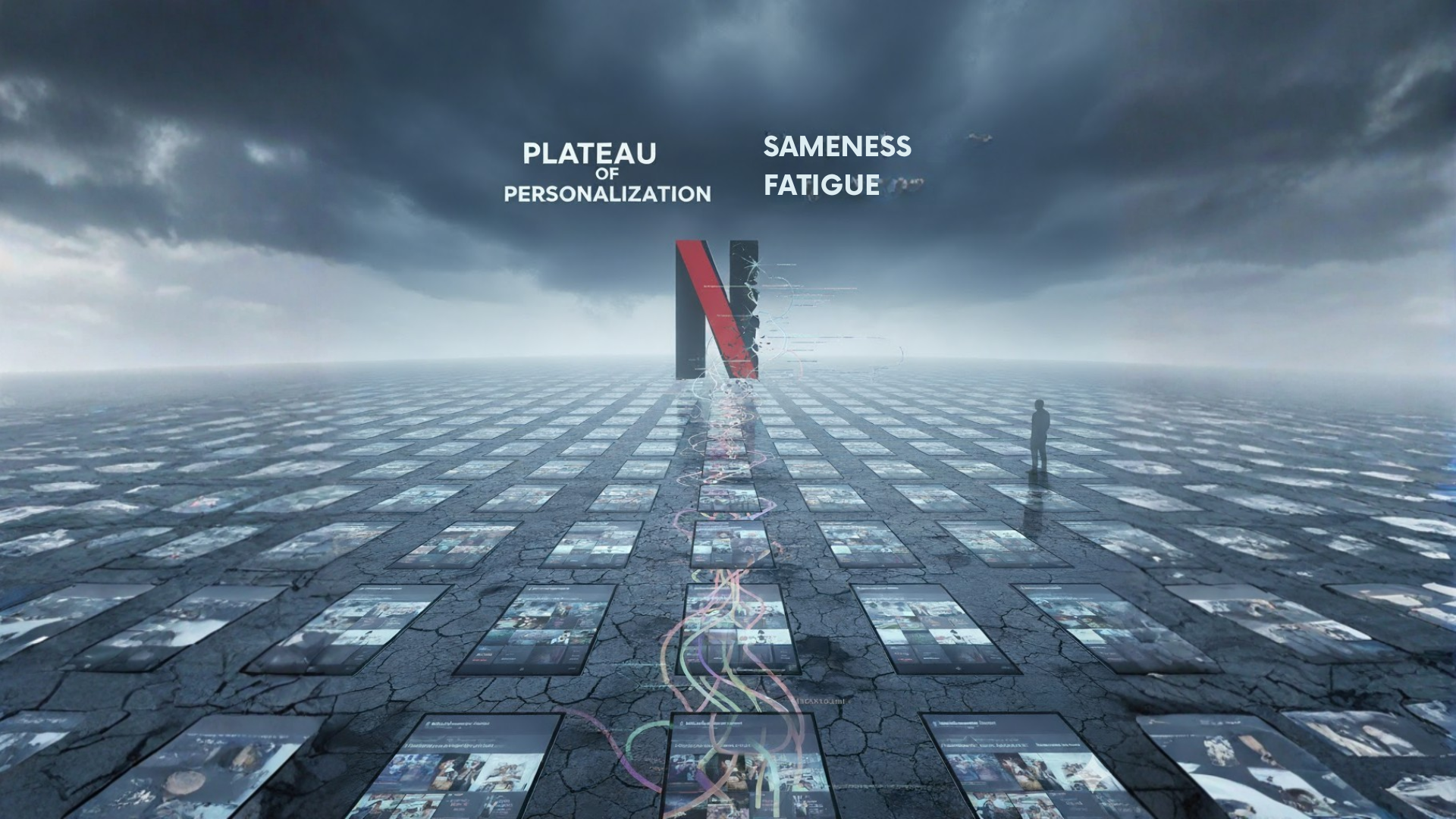
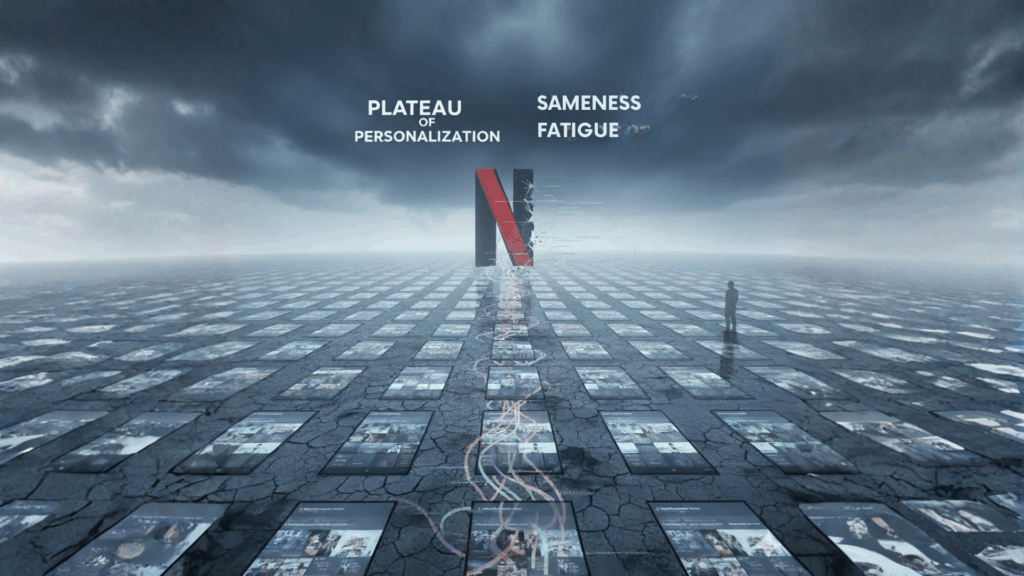
But with that victory comes a new challenge: sameness. When every app feels equally smooth, equally smart, and equally instant, users begin to see them as interchangeable utilities rather than meaningful experiences. The differentiation that once came from better design or smarter algorithms has quietly eroded.
The next evolution of streaming won’t come from faster load times or sharper thumbnails. It will come from something deeper — the ability to emotionally connect. Platforms that understand not just what we click, but why we feel, will shape the next era of digital loyalty.
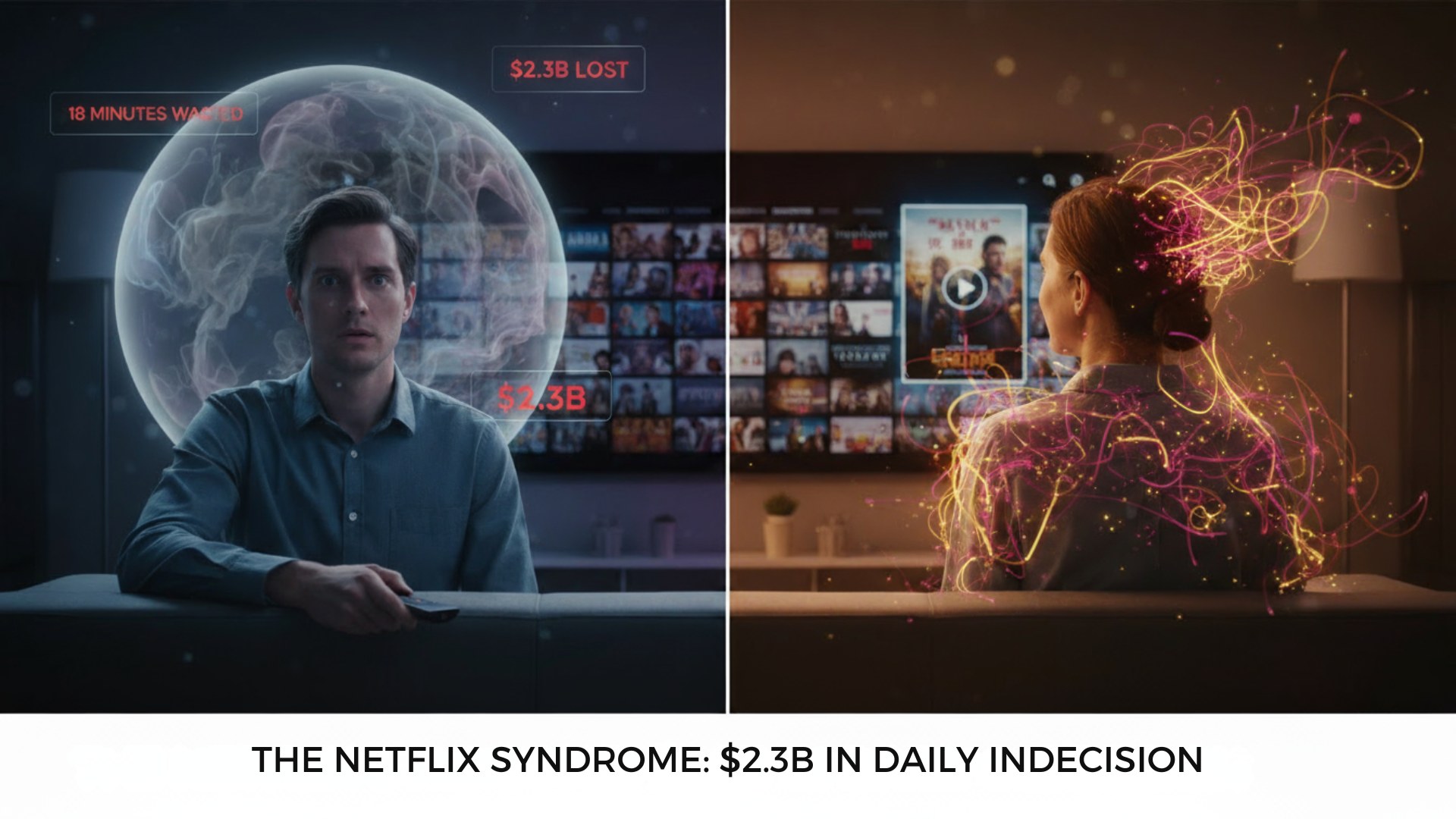
And nowhere is this challenge more evident than in Netflix’s current struggle — a platform that once redefined entertainment, now facing the limits of personalization and the growing fatigue of its own success.
Redefining the Streaming Platform Business Model Through Emotion
The economics of streaming look simple on a slide: subscribers pay a monthly fee, content attracts attention, the platform scales. In practice the math is much tougher. Netflix is spending at scale, roughly mid-teens billions on content annually and publicly signaled plans to push cash content spend toward ≈$18 billion in 2025, even as competition and subscription fatigue squeeze margins and make each incremental dollar of programming riskier.
That pressure is not unique to Netflix. Spotify’s business model famously routes a very large share of revenue to rights holders, industry reporting places royalty and label payouts at roughly ~70% of gross revenue, which leaves only a thin margin to fund growth, product development, or dramatic new consumer experiences. The result is a cycle where platforms must invest heavily to stay relevant, while the return on that content investment is increasingly uncertain.
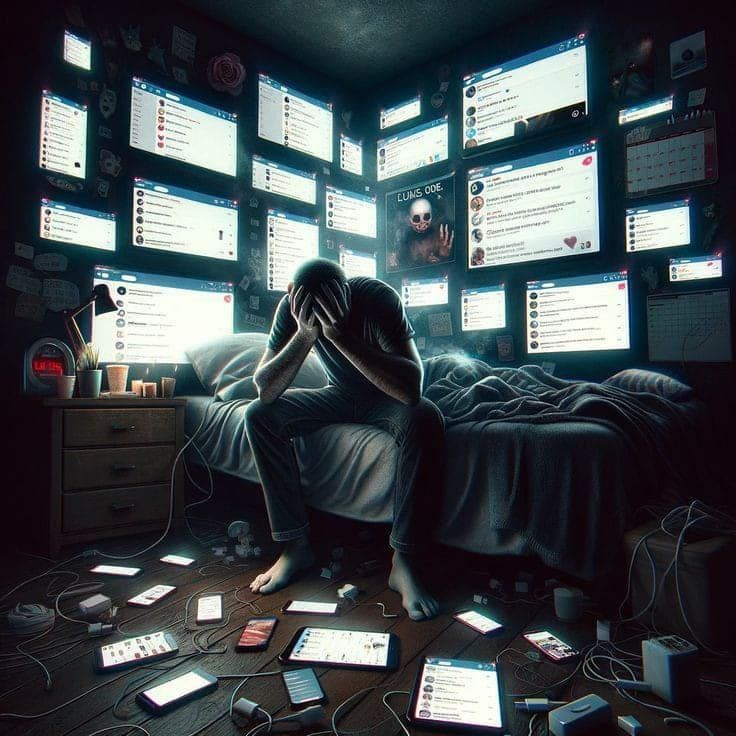
At the same time consumers are showing signs of subscription fatigue. Recent market data and consumer studies report that average household streaming spend has pulled back and that sign-up velocity and willingness to add yet another subscription are weakening. In this context, price increases, password-sharing crackdowns and ad tiers can spike sign-ups in the short term but they don’t resolve the underlying question of why customers should stay if the emotional bond isn’t there.
The practical consequence for business metrics is stark: retention and lifetime value (LTV) have become fragile levers. Platforms can win short bursts of growth (as Netflix did when it limited password sharing), but durable economics require that paying customers feel something deeper than utility. Empirical studies on brand emotion show massive returns to emotional connection — customers who feel emotionally connected to a brand deliver far higher LTV and advocacy than those who are merely satisfied, and that premium matters when content costs run in the tens of billions.
Put bluntly: the current model optimizes for behavior (clicks, watch time, short-term retention) while leaving the emotional substrate of value creation under-designed. With content budgets ballooning and consumer attention fragmenting, streaming leaders need a new, defensible layer that converts expensive content spend into lasting memory and trust rather than one-off viewing spikes.
The Rise of Emotional OS
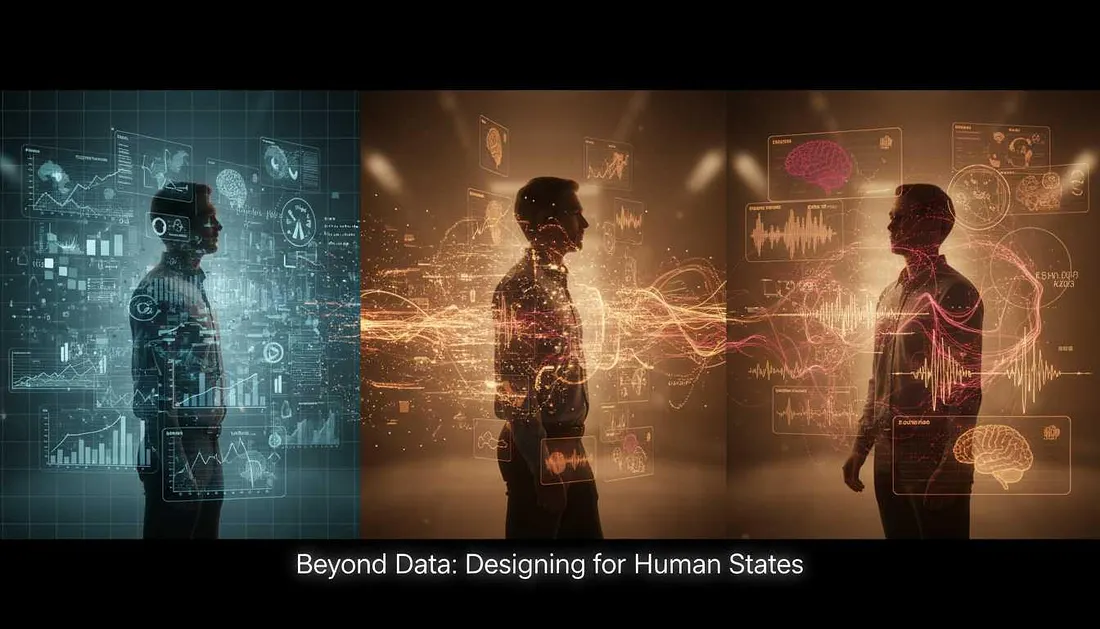
When every platform looks the same, differentiation can no longer come from what you stream, it has to come from how it feels. Behavioral personalization, the algorithmic model that recommends “more of what you liked,” has reached its natural ceiling. It reads patterns, not people. It predicts clicks, not consciousness. Streaming platforms have mastered behavioral optimization, but they’ve never learned to design for the human state.
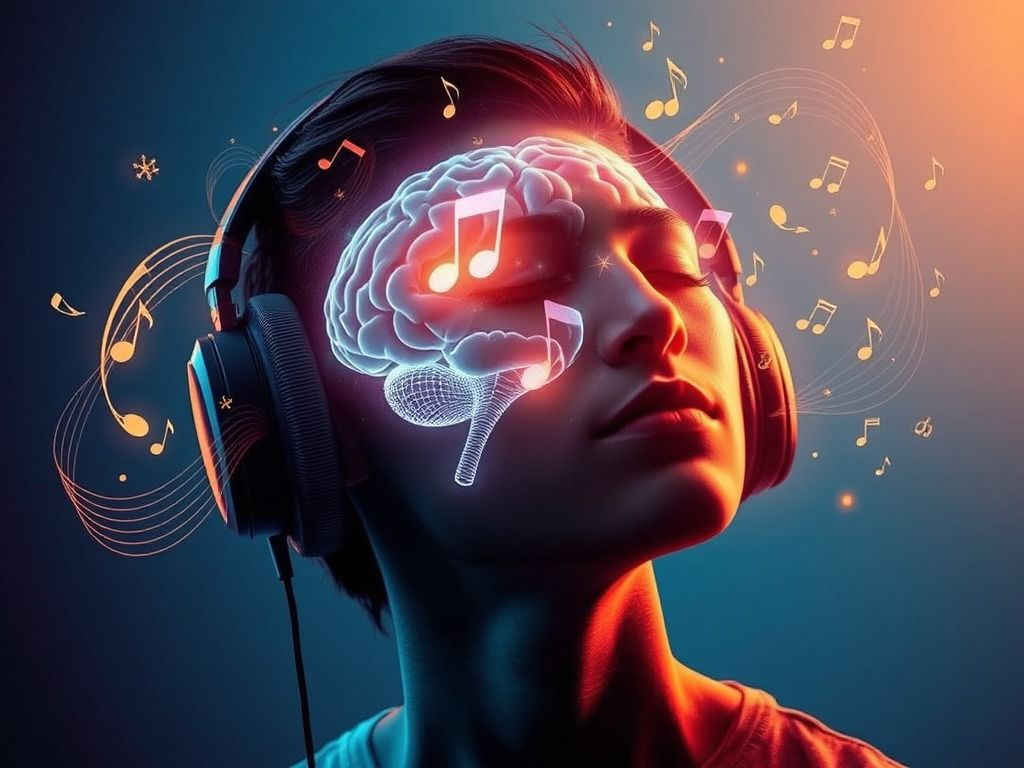
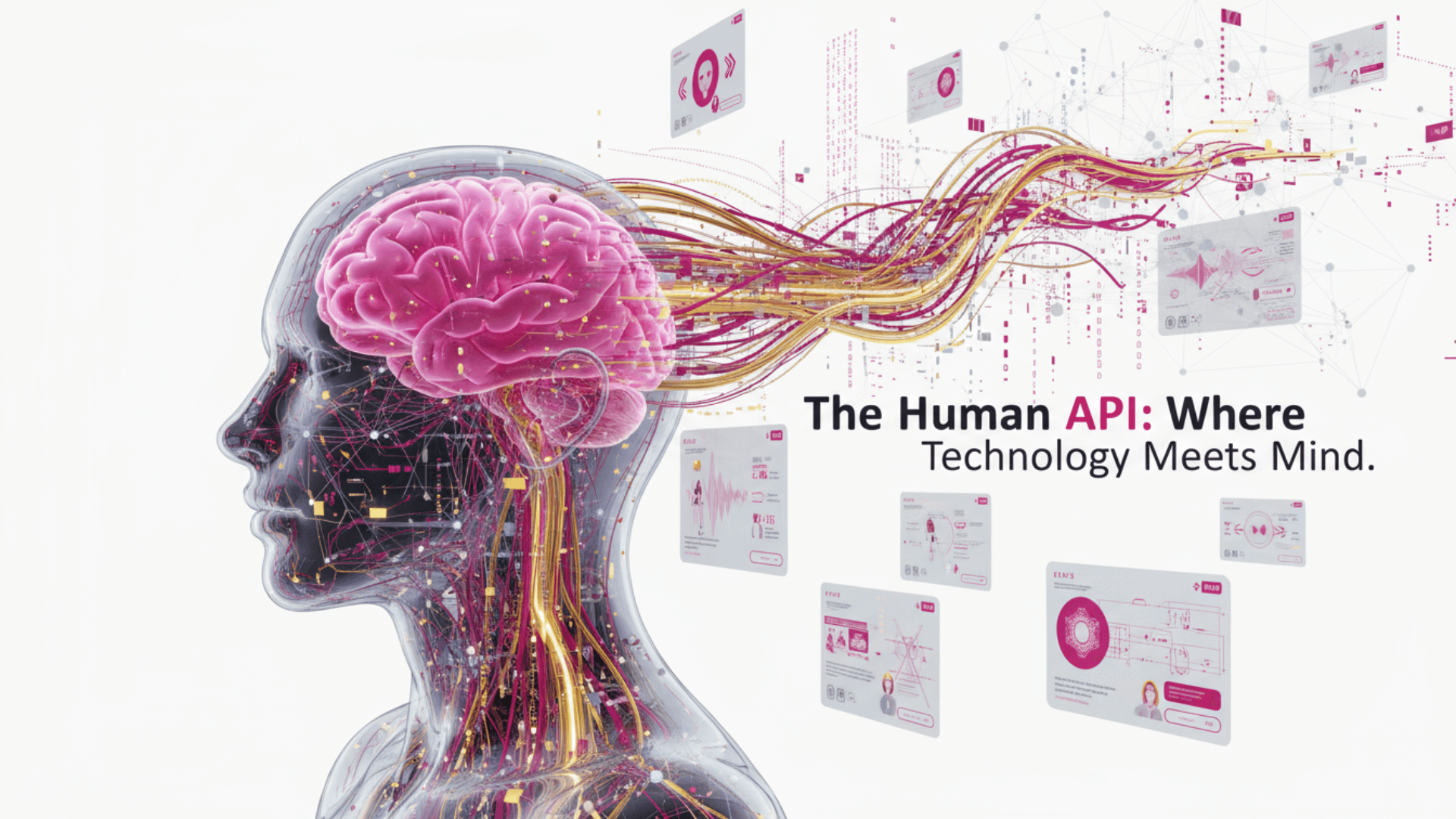
This is where Emotional AI enters the stage. Instead of tracking surface-level behavior, it decodes deeper signals of emotional state, memory formation, and trust calibration. This evolution is not about manipulation; it’s about resonance. When systems understand how users feel, not just what they do, the experience becomes adaptive, alive, and reciprocal.
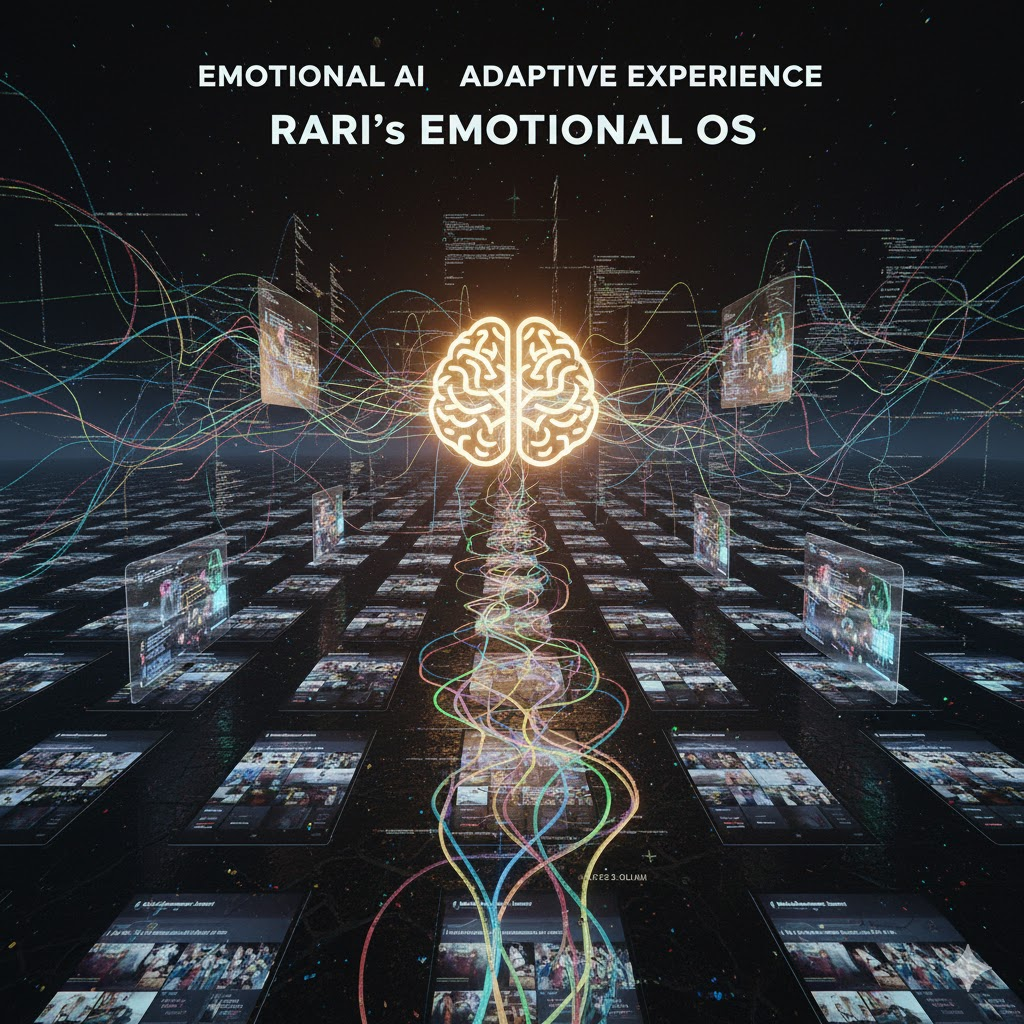
RARI’s Emotional OS embodies this shift. It isn’t another layer of recommendation logic; it’s an underlying framework that synchronizes content delivery with human emotion. By translating neural and emotional signals into real-time personalization, it transforms streaming from a transactional process into a living dialogue between technology and the mind. Where today’s systems deliver content, Emotional OS delivers connection.
That transformation changes everything. Emotional OS moves personalization beyond utility from “this suits your taste” to resonance: “this meets your mind where it is.” It bridges cognition and feeling, turning data into empathy. In a market overflowing with similar content, that empathy becomes the rarest and most defensible advantage. You can replicate a catalog, but you cannot replicate a connection.
For streaming leaders, this isn’t science fiction. It’s the foundation of a new competitive architecture where technology evolves from serving the user to sensing them.
Redefining the Streaming Platform Business Model Through Emotion
RARI reimagines what it means to connect with an audience. Instead of treating personalization as a data problem, it treats it as a human one. Every click, pause, or skip is not just an interaction—it’s a reflection of an underlying state. RARI’s AI-Guided Neural Personalization goes beyond behavioral data and builds from the inside out, aligning each experience with the listener’s unique emotional and neural patterns. It learns not only what people like, but how their minds respond, adapt, and evolve in real time.
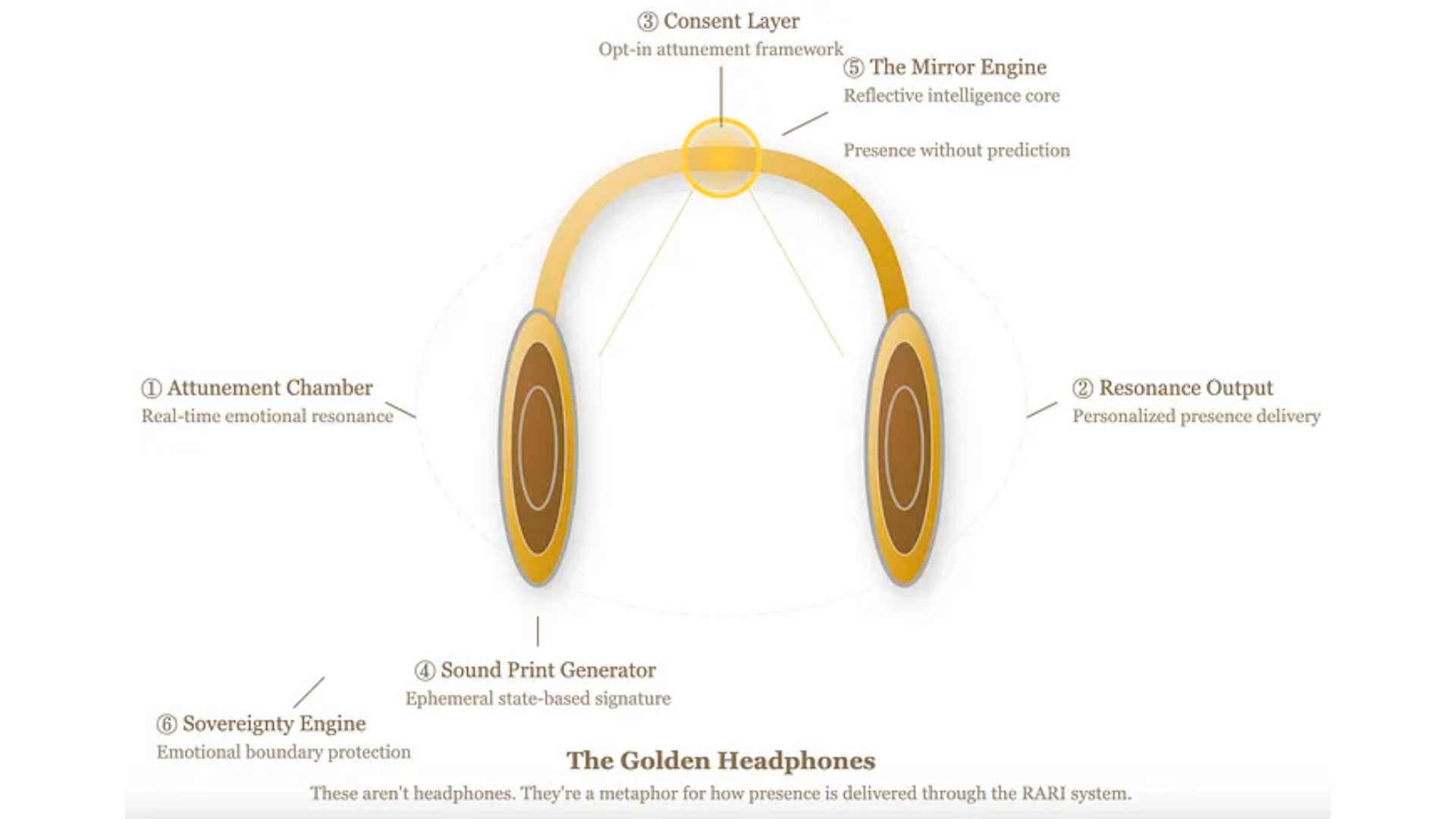
At the heart of this system lies Soundprint, an emotional fingerprint that captures the subtle ways each brain reacts to sound. Two people may listen to the same song, but their neural responses can differ entirely. Soundprint translates those responses into adaptive sonic experiences—music, tones, and frequencies that subconsciously synchronize with the user’s current state. The result isn’t just engagement; it’s resonance. It feels natural, personal, and deeply human.
But the real magic happens over time. RARI integrates a Memory and Trust Layer—a cognitive infrastructure that strengthens with every interaction. Each session becomes a building block of familiarity and emotional continuity. Instead of chasing short-term engagement spikes, the platform compounds long-term loyalty and brand equity. Users begin to associate the platform not just with content they consume, but with how it makes them feel.
This is how RARI redefines streaming. It transforms platforms from reactive distributors into proactive companions—systems that understand, remember, and adapt to human emotion. It’s personalization not as prediction, but as partnership.
Business Impact for Streaming Platforms
When streaming platforms operate purely on functional personalization, growth comes at a cost. Every new user requires marketing spend, and every retained one depends on an endless stream of fresh content. RARI’s Emotional OS changes that equation by introducing an entirely new dimension of value: emotional retention.
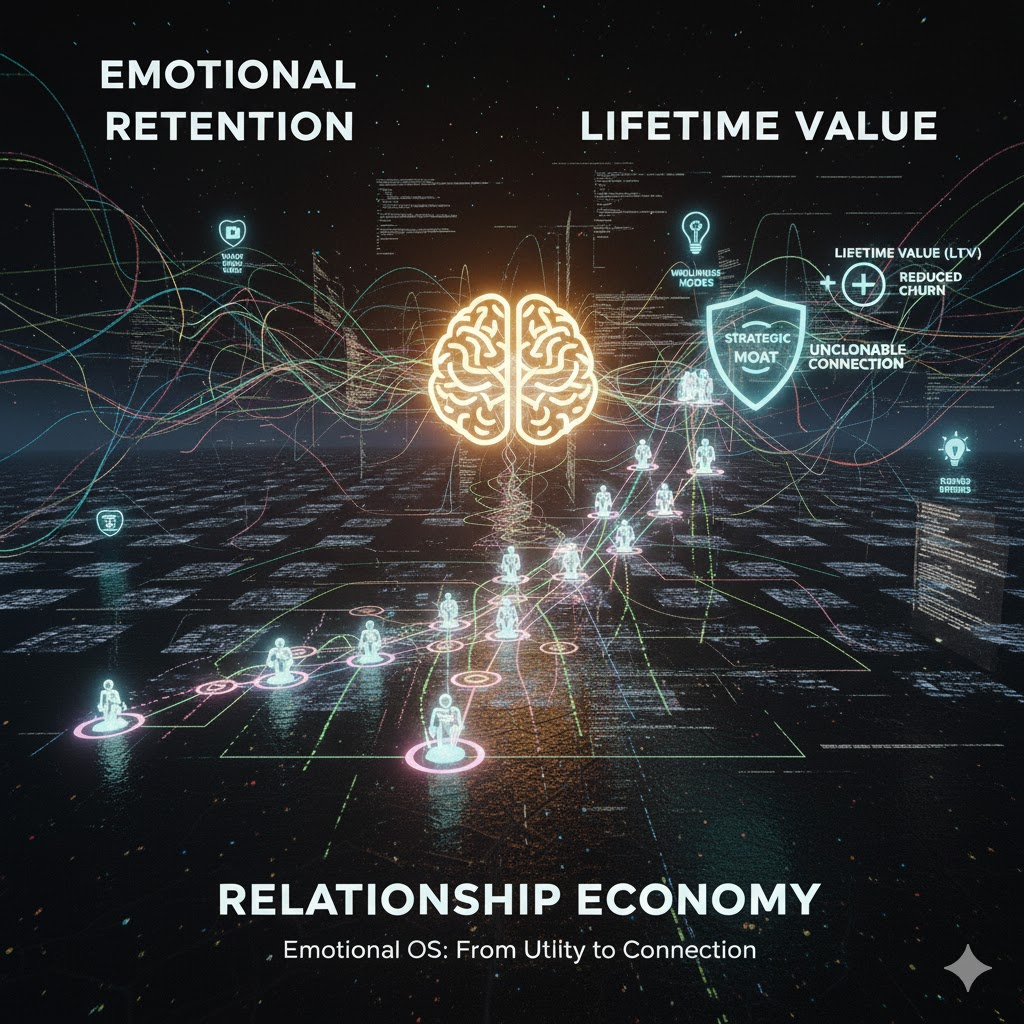
By aligning experiences with the user’s internal state, platforms reduce churn not through gimmicks or content volume, but through resonance. Emotional familiarity builds trust; trust builds loyalty. Over time, this translates directly into stronger retention and a higher lifetime value (LTV) per user because people don’t just stay where they find content; they stay where they feel understood.
This emotional bond also opens a path to monetization beyond utility. When a streaming platform evolves into a companion that adapts to a user’s mood or focus, it unlocks new categories of value from wellness-driven listening modes to cognitive enhancement soundscapes and personalized brand experiences. These emotional ecosystems don’t just add revenue streams; they expand what a streaming service is and means to its audience.
And in a market crowded with lookalikes, RARI gives streaming leaders a strategic edge that competitors can’t replicate. Algorithms can be copied. Catalogs can be licensed. Interfaces can be cloned. But an adaptive emotional relationship built over time through neural-level personalization is a moat that no amount of capital can breach.
In short, Emotional OS transforms streaming from a utility model into a relationship economy. It’s not about who has the most songs, but who creates the most meaningful moments.
Conclusion
The next frontier of streaming won’t be won by whoever has the biggest catalog or the slickest interface. It will be led by those who understand that human attention is not a metric, it’s an emotion. The platforms that learn to design for feeling, not just for function, will command a different kind of loyalty: one that can’t be bought with discounts or acquired with ads.
RARI’s Emotional OS represents this shift in motion. It turns passive listening into emotional dialogue, transforming streaming from a transactional service into a trusted companion that adapts, remembers, and evolves with each user.
As the streaming economy matures, survival will belong to those who build relationships, not just libraries. The question for today’s leaders isn’t how to optimize engagement, but how to create resonance.
Because in the next era of loyalty, the winners won’t be the platforms that know the most about what people do but the ones that understand how they feel.
If this idea resonates with you, take the next step. We’ve distilled the science, psychology, and system design behind Emotional OS into a whitepaper built for streaming leaders who are ready to reimagine connection at scale.
👉 Download the RARI Whitepaper and see how Emotional AI, Sound Print, and Neural Personalization are reshaping the future of streaming.
Not as a trend. But as the next operating system for human experience.