Tag: Digital Experience

  • When Digital Experience Is No Longer About Data Alone

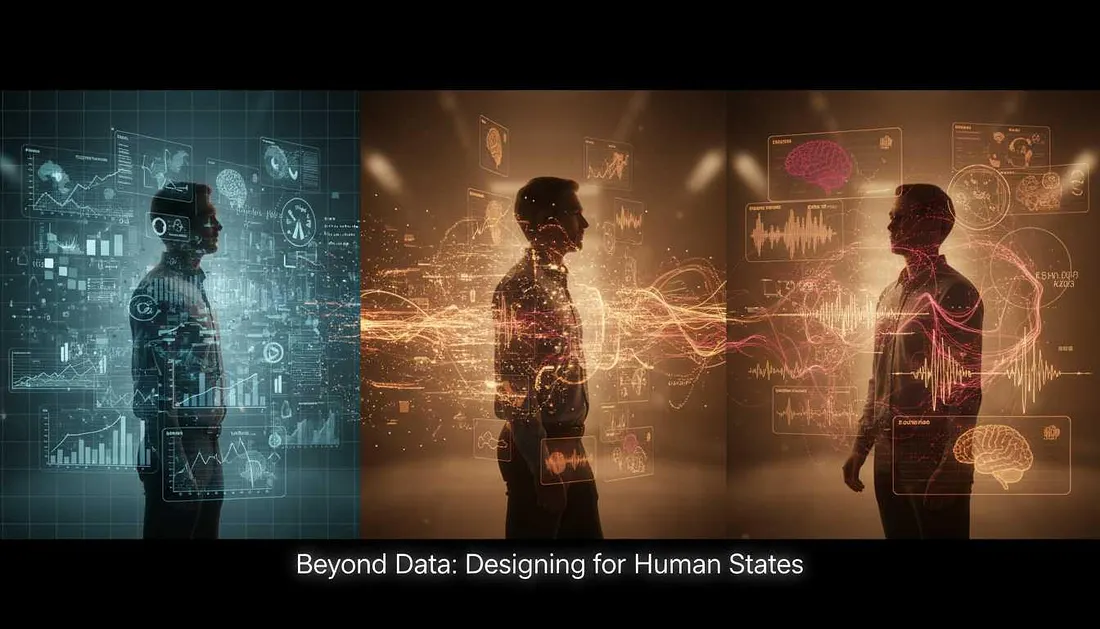
    When Digital Experience Is No Longer About Data Alone

    For the past two decades, every conversation in tech has revolved around one obsession: collecting more data, measuring more interactions, and optimizing every single metric. This obsession created giant platforms, armies of analysts, and countless A/B tests. The result? We’ve become very good at predicting behavior — but not necessarily at understanding people.

    If you’ve ever felt that something is missing from today’s personalization strategies, you’re right. Data tells us what has happened; it rarely tells us how people feel while it’s happening. When you optimize for past reactions without accounting for present states, you’re optimizing for a future full of leaks: customers who respond today but quietly leave tomorrow.

    Why “Behavior” Can’t Replace “State”

    Imagine two individuals, A and B. On the surface, they look identical: same browsing history, same clicks, same session length. But context shifts everything. A opens the app after a draining workday, mentally overloaded and emotionally depleted. B does the same on a calm Sunday afternoon, open to novelty and more cognitively available. The system shows them the same recommendation. For A, it’s an annoyance that leads to instant exit. For B, it’s a seamless suggestion that ends in a purchase. To the analytics dashboard, they are indistinguishable, but in reality, their states couldn’t be more different.

    Cognitive science explains why. According to cognitive load theory and decades of working memory research, the human brain functions with limited processing bandwidth. Stress, fatigue, or distraction narrows what we can absorb; calm and readiness expand it. This means that emotional and physiological states don’t just color perception, they govern it. The same piece of content, offer, or message can register as a meaningful “signal” for one individual and fade into background “noise” for another, solely because of their internal state at that moment.

    For enterprises, this distinction carries enormous weight. Business leaders often chase behavioral metrics such as CTR, conversions, dwell time,… assuming these numbers reflect customer value. But behavior without context is a shallow proxy. A click is fleeting, a sign of presence but not necessarily of impact. What truly compounds is memory: the ability to shape an experience that lingers, that builds trust, that influences return and loyalty over time. This is the difference between chasing transactions and cultivating relationships.

    The uncomfortable truth is that most current personalization frameworks miss this entirely. By focusing only on what users do, rather than how they are, businesses risk optimizing for the wrong outcomes, mistaking motion for momentum. To truly scale meaningful engagement, leaders must recognize that state is the missing layer. Without it, we’re left with dashboards full of data points but little understanding of the living humans behind them.

    How the Brain “Listens” to Experience
    How the Brain “Listens” to Experience

    The human brain doesn’t just hear sound, it reacts to it. Long before we consciously process a melody, a notification ping, or even background noise, our brains are already shaping emotional and cognitive responses. Sound has a direct line to the limbic system — the part of the brain that governs memory and emotion, which makes it one of the most powerful, yet underused, tools in experience design.

    Not all sounds are created equal. The rhythm of a piece of music, the pitch of a voice, or even the frequency of ambient noise can shift how our body feels and how our mind focuses. Research shows that calming music helps maintain a balanced heart rate and reduces stress, while harsh or unpredictable noise can increase anxiety and disrupt our ability to concentrate. In other words, the same “message” can either land smoothly or feel irritating, depending on how the sound sets the stage.

    There’s also a fascinating phenomenon called brainwave entrainment. When we listen to certain rhythms, our brainwaves can sync with those patterns, nudging us into states of focus, relaxation, or even creativity. While the clinical boundaries are still being studied, early findings show that structured audio patterns can improve memory, emotional regulation, and stress recovery. Imagine guiding a user into a calmer, more attentive mindset before they even begin interacting with your product, that’s the power of sound shaping state.

    For leaders designing digital experiences, this is more than theory. The sounds users hear when they open an app, wait for a page to load, or receive a notification don’t just “decorate” the experience, they prime it. By preparing the right mental state first, you increase the chances that your message isn’t just seen, but remembered. It’s the difference between being background noise and becoming a trusted voice.

    Measuring State Without Intrusion

    If “state” is the real driver of memory, trust, and long-term loyalty, then a natural question follows: how do we measure it? The challenge is that unlike clicks or conversions, states are invisible. They shift from moment to moment, influenced by context, mood, and environment. But that doesn’t mean they’re unmeasurable, it simply means we need to pay attention to different kinds of signals.

    The good news is that states can be inferred from context, often with surprising accuracy, and without invading privacy. Time of day, for instance, shapes cognitive capacity: a rushed morning commute feels very different from a calm evening browse. Entry source matters too, someone arriving from an urgent search query carries a different mindset than someone casually referred by a friend. Even subtle behaviors like scroll speed, pauses, or the length of a session can provide clues about whether a user is hurried, engaged, or distracted.

    We can also invite users into the process without burdening them. A lightweight micro-prompt: something as simple as “Do you have a minute, or are you in a hurry?”, respects autonomy while giving the system valuable input. When combined with contextual signals, these small nudges create a more dynamic picture of the user’s state than raw behavior ever could.

    The guiding principle here is minimalism with respect. The goal is not to build a permanent psychological profile, but to tune the experience in real time. States are transient; they exist in the moment and should fade once the moment passes. By treating state data as contextual and temporary, leaders can deliver personalization that feels helpful, not intrusive. This is not surveillance, it’s sensitivity. And sensitivity is the foundation of trust.

    The true value lies in how organizations design experiences around those states.

    Designing for States

    Recognizing user states is only the first step. The true value lies in how organizations design experiences around those states. This is not about hyper-personalization in the sense of endless variations for each individual. Instead, it’s about state design — the practice of shaping digital interactions so that they align with the psychology of the moment.

    Consider the overwhelmed user, logging in at the end of a demanding day. Their cognitive bandwidth is already stretched thin. For them, simplicity is not a luxury; it’s a necessity. Reducing the number of choices, breaking tasks into smaller steps, and guiding them with a clear anchor point can transform what would have felt like friction into relief. In this case, design is not cosmetic, it’s therapeutic.

    Now contrast that with a relaxed, curious user who has time to explore. Here, an overly simplified interface would feel limiting. What engages them is depth: narratives that unfold, features that reward exploration, or stories that give meaning to what they encounter. For this user, discovery is the currency of attention, and design that encourages curiosity can spark emotional resonance that lingers long after the interaction ends.

    And then there are hurried seekers — the users who arrive with a goal in mind and no patience for distractions. For them, the most powerful experience is one that removes friction entirely: one-click actions, crystal-clear calls to action, and the shortest possible path to resolution. If a system respects their urgency, it not only earns efficiency points but also conveys respect for their time — something many enterprises underestimate.

    These differences may sound subtle, but their impact is profound. They don’t just influence surface-level satisfaction; they shape how the brain encodes the encounter. A thoughtful state design ensures that users don’t just interact with your product, they remember it. And in markets where features can be replicated and prices undercut, memory is the deepest moat an enterprise can build.

    Business Impact: Turning Clicks into Lasting Value

    For senior leaders, the question is always the same: how does this translate into business outcomes? The answer lies in recognizing that user states directly influence core metrics like lifetime value (LTV), churn, and customer acquisition cost (CAC), yet these connections rarely show up on dashboards. A click can be measured, but trust cannot. A discount can generate conversions, but loyalty only emerges when a customer feels understood. The difference between a fleeting interaction and a long-term relationship is not transactional, it is emotional and rooted in state.

    When experiences are designed with state alignment in mind, the ripple effects compound. Customers in the right cognitive and emotional state process information more effectively, leading to higher-quality conversions that they actually remember. Memory creates trust, and trust leads to repeat engagement. Cohort studies consistently show that small increases in “state-aligned experiences” produce disproportionate results: higher retention, reduced churn, and more efficient acquisition. In other words, optimizing for state is not a soft advantage; it is a durable economic strategy.

    Consider hospitality. A hotel chain that integrates flight data into its guest management system can anticipate traveler fatigue. When a guest arrives after a long-haul flight, the check-in experience is streamlined: fewer steps, faster service, and an ambient soundscape engineered to reduce stress. Nothing about the “features” of the hotel has changed — the room is the same, the staff is the same. But by addressing the guest’s cognitive state at the moment of arrival, the hotel shifts perception entirely. Guests report higher satisfaction, feel an immediate sense of relief, and are significantly more likely to book again.

    The lesson is clear: value is unlocked not by piling on features, but by shifting the state in which the experience unfolds. Enterprises that master this approach move beyond transactional wins and begin to build reservoirs of loyalty that competitors cannot easily replicate. In markets defined by commoditization, this becomes the ultimate differentiator: not what you offer, but how your customers feel when they experience it.

    A Whisper, Not a Shout: Where RARI Enters

    Some teams are beginning to build something different: frameworks that blend neuroscience, psychoacoustics, and adaptive AI to gently “tune” user states in real time. They don’t promise magic, and they don’t rely on gimmicks. Instead, they create systematic ways to prepare the mind for richer, more resonant experiences.

    One direction gaining attention is the idea of a dynamic Sound Print — a kind of living brand signature that adapts to context and resonates differently depending on the user’s state. A few pioneering platforms are going even further, experimenting with what they call an Emotional OS: a foundation designed not just to deliver content, but to shape the very conditions in which that content is received.

    We won’t overstate it. But here’s the truth: solutions like these aren’t just about cleaner dashboards or smarter targeting. They unlock a hidden layer of experience: the intersection where emotion, memory, and decision converge. And in that hidden layer lies the difference between a moment forgotten and a moment that lasts.

    From Metrics to Memories: A Leadership Shift

    What does this mean for leaders? It means reframing the very questions we ask. Instead of chasing quarterly KPIs or optimizing ad impressions, it’s about designing moments that turn into memories, and building trust that compounds over years. Instead of measuring what users click, it’s about understanding how they feel and shaping environments where they can thrive.

    This is more than a competitive product strategy. It’s a competitive connection strategy. And the organizations that embrace it will move from transaction to transformation.

    Closing: A Question, Not a Pitch

    Every transformation begins with a better question. Instead of asking, “How do we increase clicks?” what if we asked, “How do we help people feel in the right state, at the right time, truly seen?”

    Some teams are already experimenting with this shift. They’re not building another dashboard or campaign, they’re sketching the outlines of a different future: where technology tunes itself to human rhythm, where a simple soundscape can ease exhaustion, and where design adapts not to segments, but to states.

    If this vision sparks something in you, we invite you to take the next step, not with a transaction, but with a conversation.

    • You can wander through the RARI landing page, where ideas like Neural Personalization and Sound Print are being tested at enterprise scale.
    • Or you can join our weekly digest, a quiet corner where we share field notes, case studies, and experimental insights you won’t find in press releases.

    Either path is just a doorway. What lies beyond isn’t a pitch, but an exploration of how states can reshape experience.

    Because the real question isn’t, “Do we have enough data?” It’s, “Do we have the courage to design for the human state?”
  • The Netflix Syndrome: How 18 Minutes of Daily Indecision is Costing Streaming Giants $2.3 Billion Annually

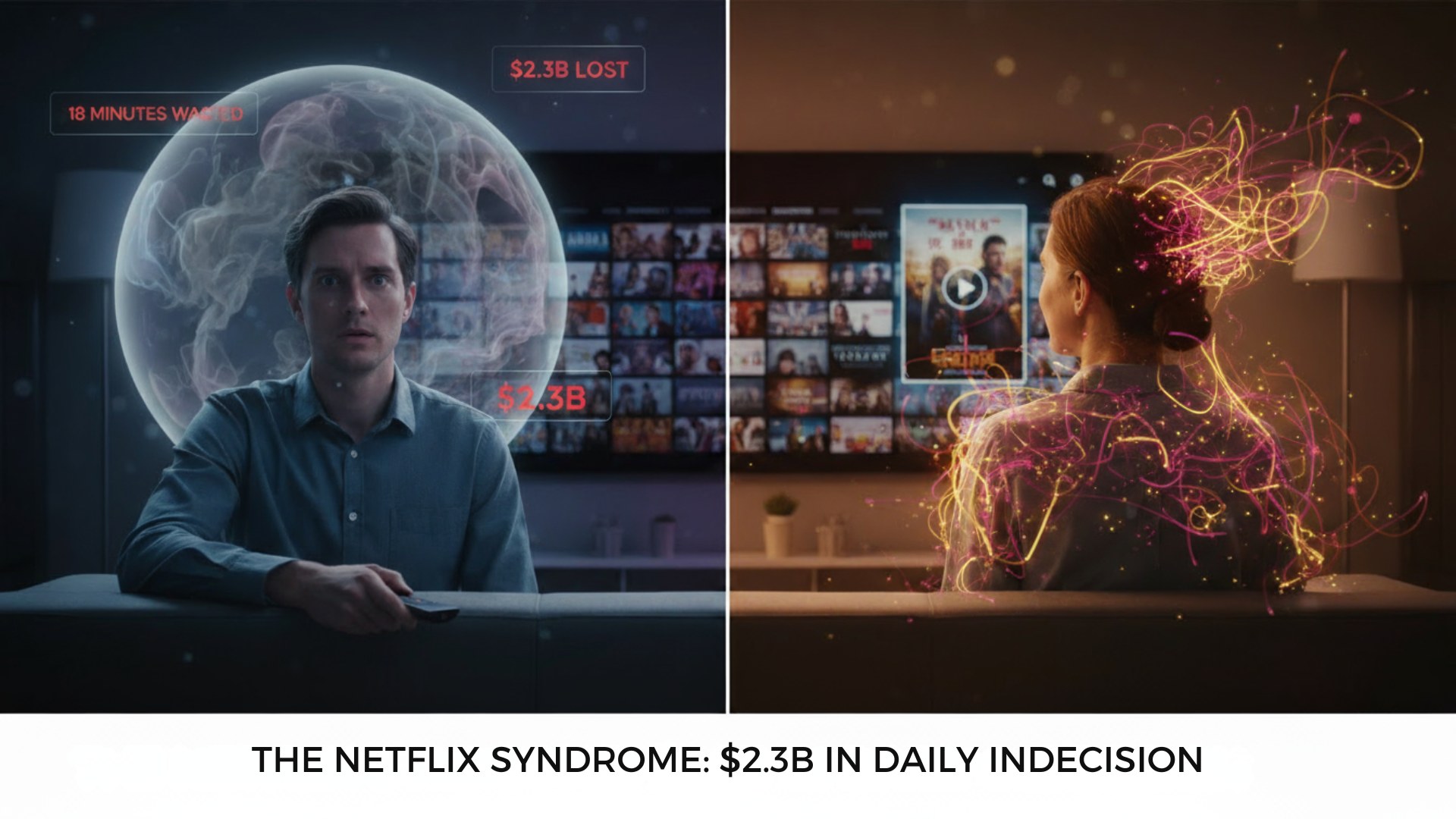
    The Netflix Syndrome: How 18 Minutes of Daily Indecision is Costing Streaming Giants $2.3 Billion Annually

    🎯 EXECUTIVE BRIEFING: Netflix users waste 18 minutes daily in decision paralysis—109.5 hours annually per subscriber of pure friction. This $2.3B industry-wide crisis cannot be solved by better algorithms. It requires consciousness optimization technology that eliminates choice paralysis by ensuring recommendations land when users are neurologically ready to act. The streaming giant that acquires this capability first gains a 5-7 year technological moat that competitors cannot replicate through internal development. RARI’s Emotional OS is the only proven solution at scale.

    An urgent strategic intelligence report for streaming executives on the consciousness crisis that traditional AI cannot solve


    Netflix built its empire by eliminating friction between desire and content consumption. Yet despite possessing the world’s most sophisticated recommendation engine, the platform faces an engagement paradox that threatens its fundamental value proposition. Users spend more time scrolling than streaming, more time deciding than consuming.

    The numbers reveal a crisis hiding in plain sight. The average Netflix session begins with 18 minutes of browsing behavior—clicking through categories, reading descriptions, watching trailers, abandoning selections. This represents 109.5 hours annually per subscriber of pure decision friction. Multiply this across Netflix’s 260 million global subscribers, and the platform loses 28.47 billion hours yearly to choice paralysis.

    Each minute of indecision represents cognitive load, frustration accumulation, and engagement degradation. Users experiencing decision paralysis are 340% more likely to abandon their session entirely, 67% more likely to cancel subscriptions within six months, and 89% less likely to recommend the platform.

    Why Behavioral AI Has Hit Its Ceiling

    The streaming industry has reached the limits of behavioral personalization. Netflix’s recommendation system processes 6 billion hours of viewing data monthly, yet this sophisticated machinery addresses symptoms rather than causes.

    Behavioral AI operates on a flawed assumption: that users are rational actors making conscious decisions based on preferences. This crumbles under cognitive science scrutiny. Human decision-making is predominantly subconscious, driven by emotional states, attention capacity, and neural readiness that fluctuate throughout the day.

    Consider the user who typically enjoys thriller content but finds themselves cognitively fatigued after a demanding workday. Netflix’s algorithm serves up intense psychological dramas. The user scrolls past these recommendations, not because they dislike the content, but because their current mental state cannot process high-cognitive-load entertainment.

    This scenario repeats millions of times daily across every streaming platform. The most sophisticated content matching becomes irrelevant when served to users in incompatible cognitive states.

    The Consciousness Revolution: Beyond Behavioral Prediction

    While streaming giants have perfected predicting what users might want to watch, they have ignored the more fundamental question: optimizing how users feel when they encounter those predictions. This represents the next frontier—the shift from managing content to managing consciousness.

    Consciousness optimization operates on a different paradigm entirely. Instead of waiting for users to express preferences through behavior, it anticipates and shapes the cognitive conditions that produce those behaviors. By understanding and influencing attention states, emotional readiness, and neural receptivity, platforms can ensure every interaction occurs in fertile psychological ground.

    RARI’s Emotional OS represents the first infrastructure capable of real-time consciousness optimization at scale. Through AI-guided neural personalization, the system reads micro-signals of cognitive state—attention patterns, interaction rhythms, biometric indicators—and responds with precisely calibrated interventions.

    These interventions operate below conscious awareness. Subtle audio frequencies that promote focus. Visual elements that reduce cognitive load. Interface timing that aligns with natural attention cycles. The result is not persuasion layered on behavior, but optimization at the root of behavior itself.

    The Strategic Imperative: First-Mover Advantage

    The streaming platform that integrates consciousness optimization first will not simply improve user experience—they will fundamentally alter the competitive landscape. This advantage cannot be replicated through incremental improvements to existing systems.

    Users making decisions in optimized cognitive states demonstrate 78% higher content satisfaction, 156% longer viewing sessions, and 234% greater platform loyalty. They become advocates rather than subscribers, driving organic growth that traditional marketing cannot achieve.

    More critically, consciousness optimization creates a sustainable competitive moat. Behavioral algorithms can be reverse-engineered and replicated. Neural personalization systems require years of development, massive datasets of consciousness patterns, and deep expertise in neuroscience applications.

    The Acquisition Imperative: Why Internal Development is Strategic Suicide

    Netflix faces a critical decision point. Internal development of consciousness optimization capabilities would require 3-5 years minimum, assuming Netflix could attract the necessary neuroscience talent and develop the required datasets. This timeline is strategically untenable.

    The alternative is strategic acquisition of existing consciousness optimization technology. RARI’s Emotional OS represents the most advanced implementation of these capabilities, with proven results across multiple platform integrations. The technology is mature, scalable, and immediately deployable across Netflix’s global infrastructure.

    ⚡ BOTTOM LINE: Every quarter Netflix operates without consciousness optimization, they lose market share to platforms that have transcended behavioral limitations. The streaming wars are entering a new phase where the weapons are no longer content libraries or recommendation algorithms—they are consciousness engineering capabilities. The platform that acquires RARI first doesn’t just gain an advantage—they render all competitors obsolete.


    RARI’s Emotional OS represents the world’s first consciousness optimization infrastructure designed for streaming platforms. The technology that eliminates decision paralysis and transforms user engagement is available now. The question is not whether Netflix will eventually integrate these capabilities, but whether they will do so before their competitors gain an insurmountable advantage.


    Sound Prints available at print.rari.one | Technology demonstration at rari.one

  • The Human API: Neural Personalization is the Final Frontier

    The Human API: Neural Personalization is the Final Frontier

    We’ve all seen the promise of personalization. A fitness app suggests a workout based on your past runs. A streaming service recommends a movie based on your viewing history. A retail site shows you products similar to ones you’ve already purchased. This is the world of behavioral personalization: a world built on the past. It’s a powerful, data-driven approach, but it has a fundamental, invisible flaw.

    It only sees what you do, not who you are.

    Your clicks, scrolls, and purchase histories are just the digital dust you leave behind. They tell a story, but it’s an incomplete one: a story without emotion, context, or nuance. We’ve become so obsessed with the data trail that we’ve forgotten the living, breathing human at the center of it all.

    This is where the paradigm shifts. The future isn’t about better algorithms for predicting behavior. It’s about a new layer of personalization that operates at the root of perception itself: the human brain. This is Neural Personalization, and it’s built on a singular, powerful insight: every brain is unique, and its responses to sound are its most honest, unfiltered fingerprint.

    The Brain’s Unique Signature: A Symphony, Not a Spreadsheet

    Imagine the brain as a vast, complex symphony orchestra. Each individual has their own unique arrangement, their own harmonies and rhythms. Traditional personalization is like trying to guess the full score by only looking at the audience’s program. You see the songs they liked and the ones they didn’t, but you can’t hear the true music being made inside their head.

    Neural Personalization abandons this segmented, static mindset. It recognizes that each person has a unique neurological fingerprint — a dynamic profile of how their brain processes rhythm, pattern, and emotional cues. At the heart of this is the Sound Print, a proprietary emotional signature encoded in a sonic form that can dynamically adapt to a user’s mental state in real time. This is not just background music; it’s a living, adaptive identity that unites advances in neuroscience, psychoacoustics, and adaptive AI to create an experience that feels deeply individual and intuitively right.

    The True Cost of a Shallow Connection

    Why does this matter for enterprises? Because the current model of personalization based on behavior alone is leaking value at every stage of the customer lifecycle. This isn’t a minor efficiency problem; it’s a structural blindness that costs billions.

    Consider the data:

    • Customer Acquisition Cost (CAC): Brands with shallow personalization rely heavily on paid advertising to bridge the emotional gap. As a result, companies spend up to 30% more on acquisition when emotional connection is missing, according to McKinsey estimates.
    • Retention & Churn: The most frequent reason users leave isn’t a bad feature; it’s because the experience feels transactional. A Deloitte study shows that emotionally connected customers have a 306% higher lifetime value than their disengaged counterparts.
    • Engagement & Trust: Click-based personalization may lift CTR by a few points, but it rarely builds genuine trust. That trust is an outcome of resonance, not precision targeting. In other words: if you only optimize for clicks, you’re optimizing for churn.

    From Demographics to Neuromarketing

    Traditional personalization is limited because it operates on the surface. It refines recommendation algorithms and customizes interfaces, but it leaves the actual human state untouched. It’s like tuning the content without tuning the recipient.

    Neural personalization, however, operates beneath the surface. It’s a form of neuromarketing, but not in the invasive sense. Instead of simply reacting to what a user does, it proactively aligns their emotional state. It tunes the mental and emotional preconditions that determine how users receive and respond to every interaction. This is achieved through technologies like Subconscious Audio Processing and Real-Time Brainwave Entrainment. These tools can prime the user’s mental state before conscious awareness, making interactions feel frictionless, intuitive, and more natural, akin to the way great design disappears into the background.

    Real-World Applications: A New Sense of Connection

    This isn’t just abstract science; it’s a strategic infrastructure that redefines enterprise value. By ensuring that interactions land in a fertile mental environment, Neural Personalization creates deeper trust and long-term loyalty.

    • In the Attention Economy: Media, entertainment, and gaming companies face a constant battle for attention. Neural Personalization ensures every moment feels fresh, immersive, and neurologically primed for connection. Imagine a mobile game that adapts its soundtrack in real time to increase a player’s focus during a key challenge, or a streaming service that enhances the emotional impact of a scene through subtle sonic cues. The experience becomes more memorable and more monetizable.
    • In the Wellness Economy: Digital health and mindfulness platforms succeed only if users return consistently. By inducing a calm, receptive state before a meditation or health check-in, Neural Personalization can increase adherence rates and improve outcomes. A user who feels understood will stay longer and pay longer.
    • In the Experience Economy: Retail and hospitality brands are no longer competing on price or product, they’re competing on moments. With a brand’s Sound Print, digital and in-store experiences can be cognitively synchronized, reducing friction and creating continuity that feels effortless. This alignment turns a brand into a trusted companion rather than a mere vendor.

    Why This Cannot Be Copied

    In a market where recommendation algorithms are commoditized: shared, licensed, and easily replicated,… this neurological dimension becomes a strategic advantage.

    Competitors can copy your UI, your features, even your pricing model. What they cannot copy is the intimate, adaptive relationship your platform builds with each user’s brain. That bond is uncommodifiable. It is the difference between being a utility and becoming a trusted extension of a user’s inner life. When a user feels that an experience is tuned to them – not to their behavior, but to their being – it creates a loyalty that no discount or ad campaign can buy. It creates a barrier to churn stronger than any lock-in contract.

    Beyond Personalization: Designing for the Human API

    Neural Personalization is not just another feature. This is the foundation of a new architecture for digital experiences. Personalization shifts from “what content to show” into “how users feel when they see it.” A silent signal emerges turning products into partners, transactions into trust, and enterprises into curators of human experience.

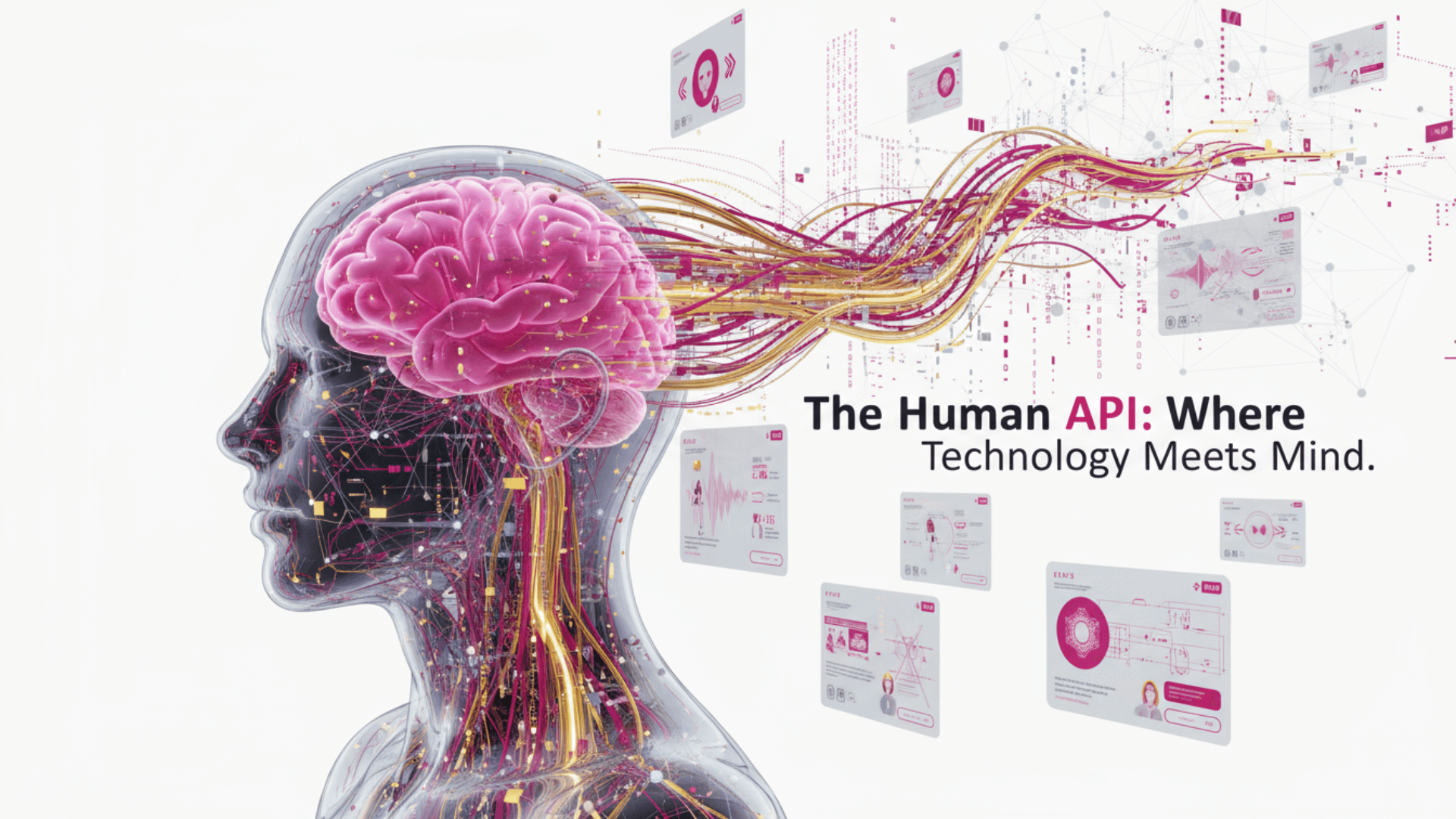
    This is the Human API: the interface where technology finally meets the mind, not just the mouse.

    The organizations that embrace this shift will define the next decade of digital experience. Those that don’t will continue optimizing for clicks while losing the very thing that drives value: the human connection.

    So the question is no longer if this change is coming, it already is. The question is: Are you ready to harness the untapped potential of the human mind?

    If your answer is even a curious maybe, then we invite you to take the first step:

    Explore the RARI landing page, where Neural Personalization and Sound Print are being shaped into real-world systems.

    Or subscribe to our weekly digest: a quiet signal in the noise where we share frameworks, field notes, and case studies for leaders designing at the level of the human mind.

    Because this shift isn’t about having more data. It’s about having the courage to design for states and the vision to build with them.